Category: Beer History
-
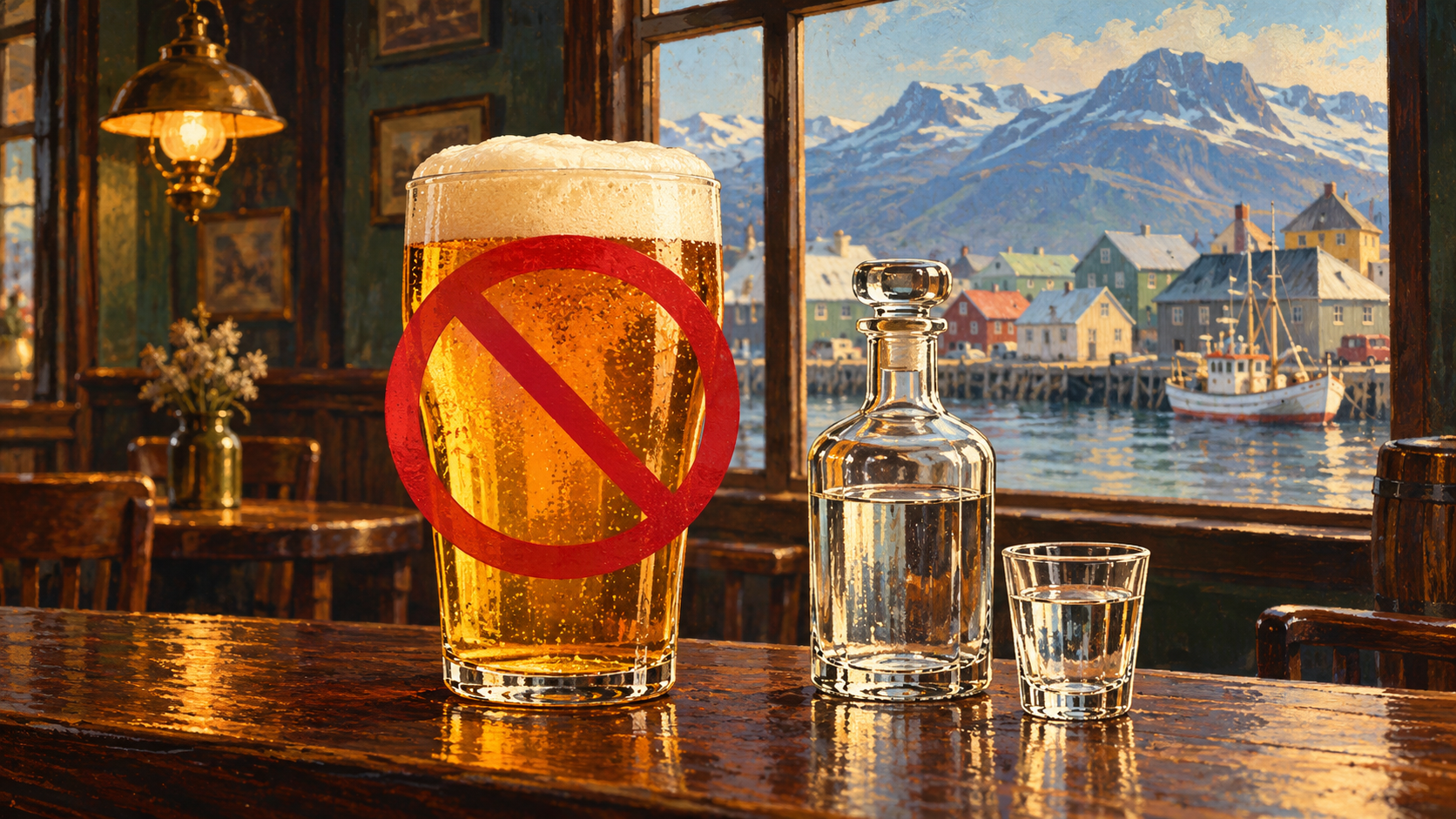
For decades, Iceland allowed spirits but kept full-strength beer off the shelves. Discover the trade dispute, political arguments and long road to legal beer on 1 March 1989.
-
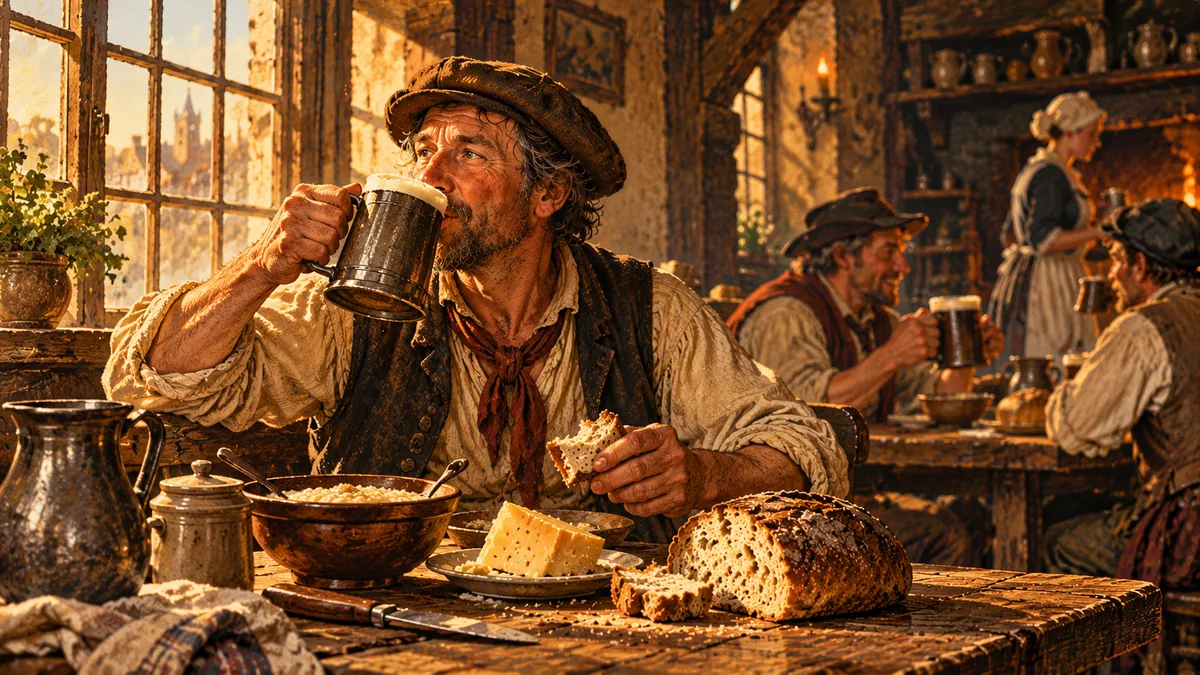
Beer for breakfast sounds bizarre today, but for centuries it could be part of everyday life. Discover what small beer really was, the truth about the unsafe-water myth — and how tea helped change breakfast forever.
-
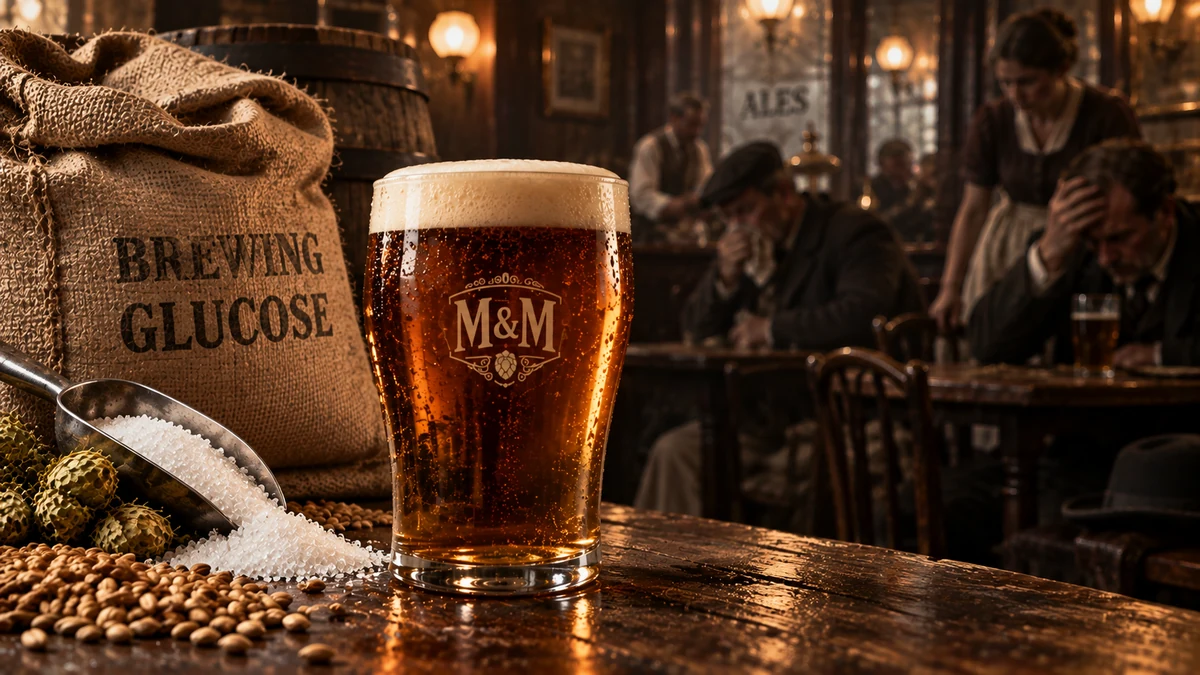
In 1900, thousands of beer drinkers in England became mysteriously ill. The culprit was hiding in their beer: arsenic. But adulterated beer had a much longer history.
-
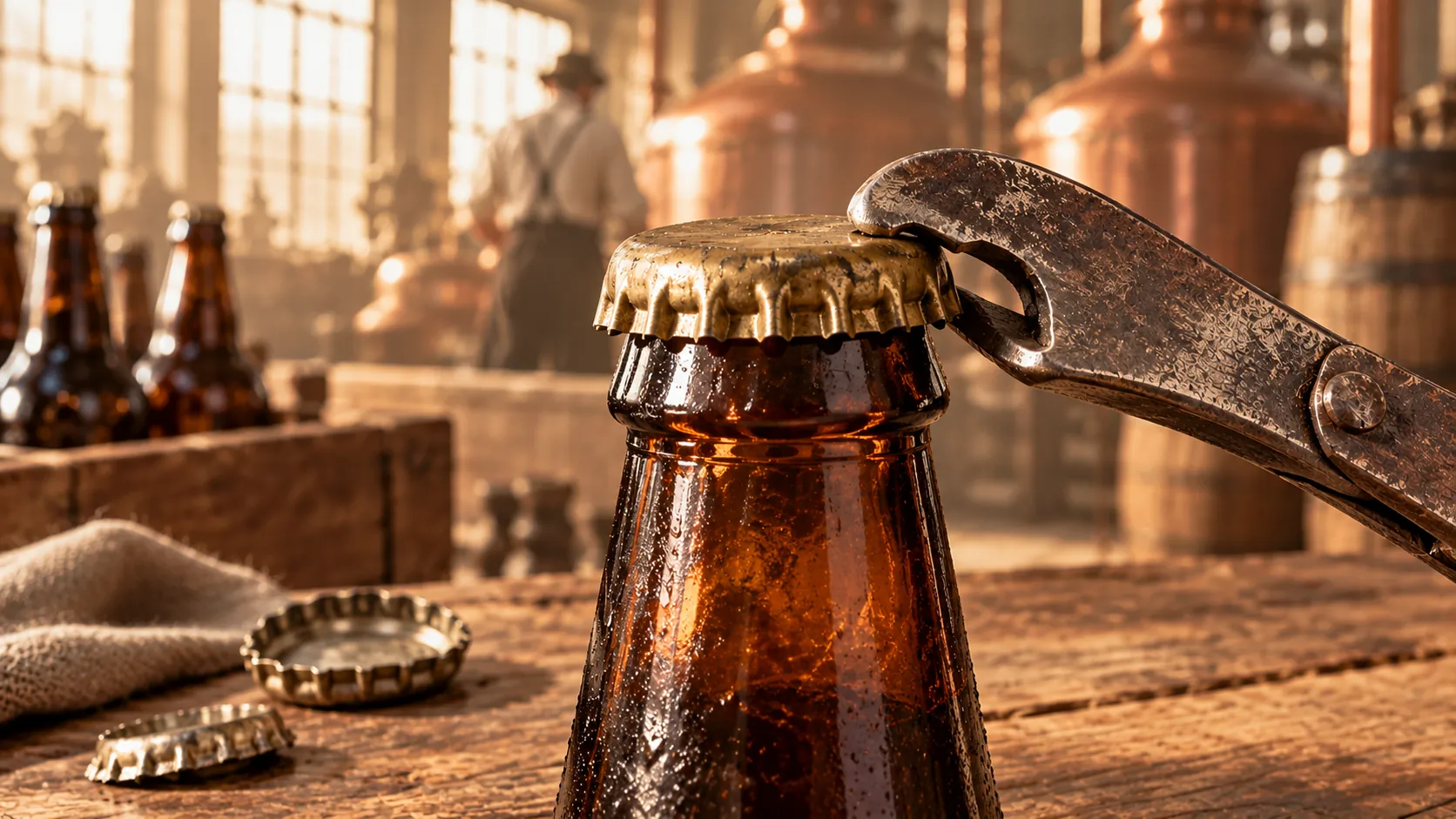
Why do beer bottles have crown caps? Discover how William Painter’s 1892 invention transformed bottled beer — and created the need for the bottle opener.
-
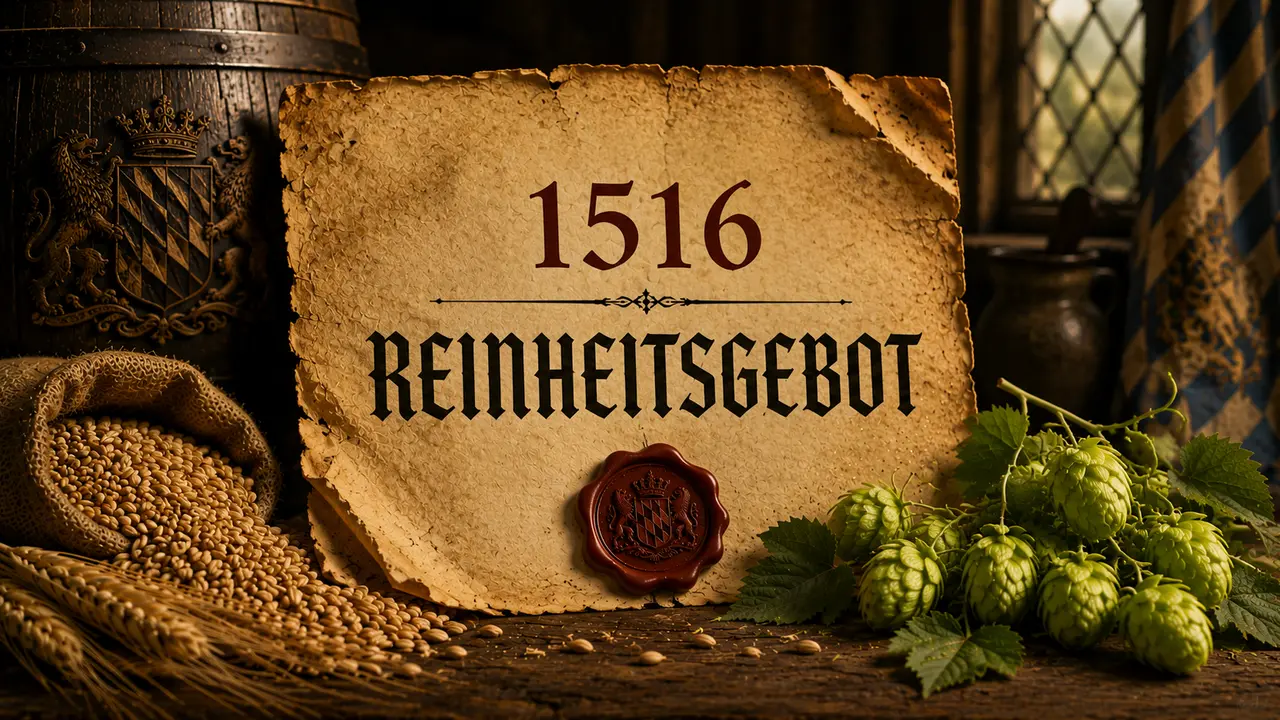
In 1516, Bavaria introduced one of history’s most famous beer laws. But the Reinheitsgebot wasn’t quite what the modern myth suggests.
-
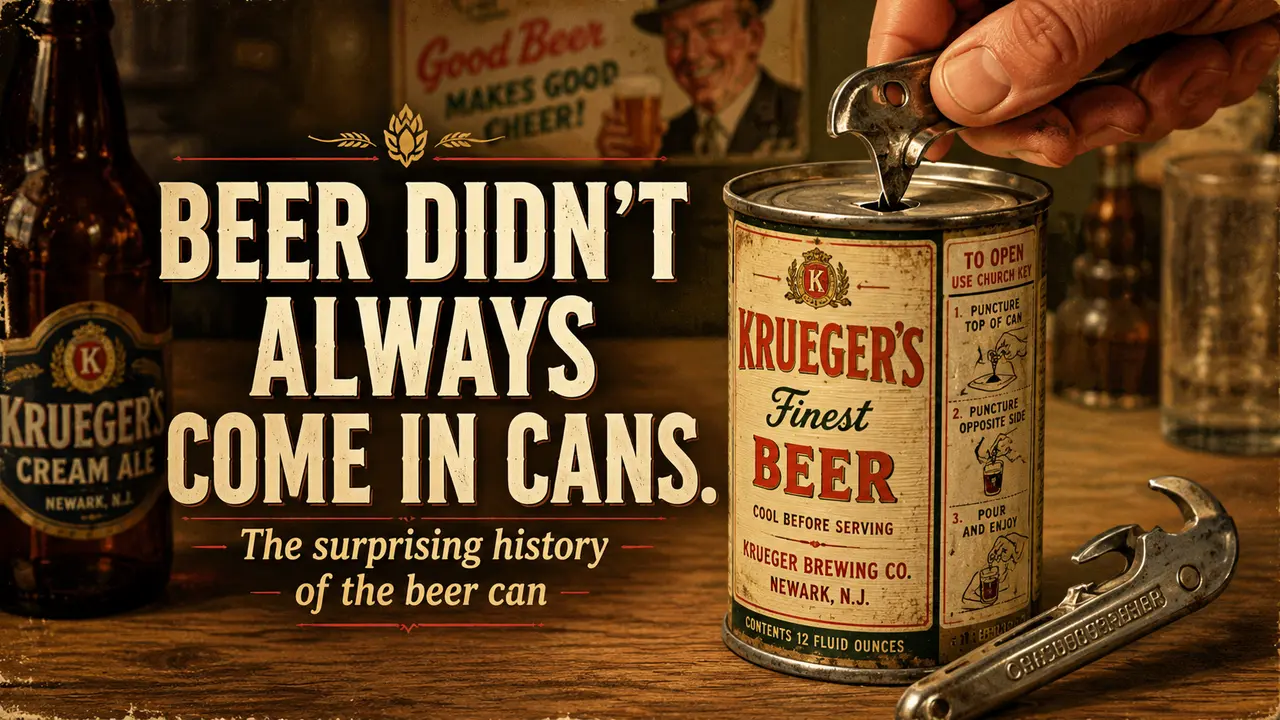
Beer cans changed brewing forever. Discover how a risky 1930s experiment led from heavy steel cans and church keys to pull-tabs and today’s lightweight aluminum beer can.
-
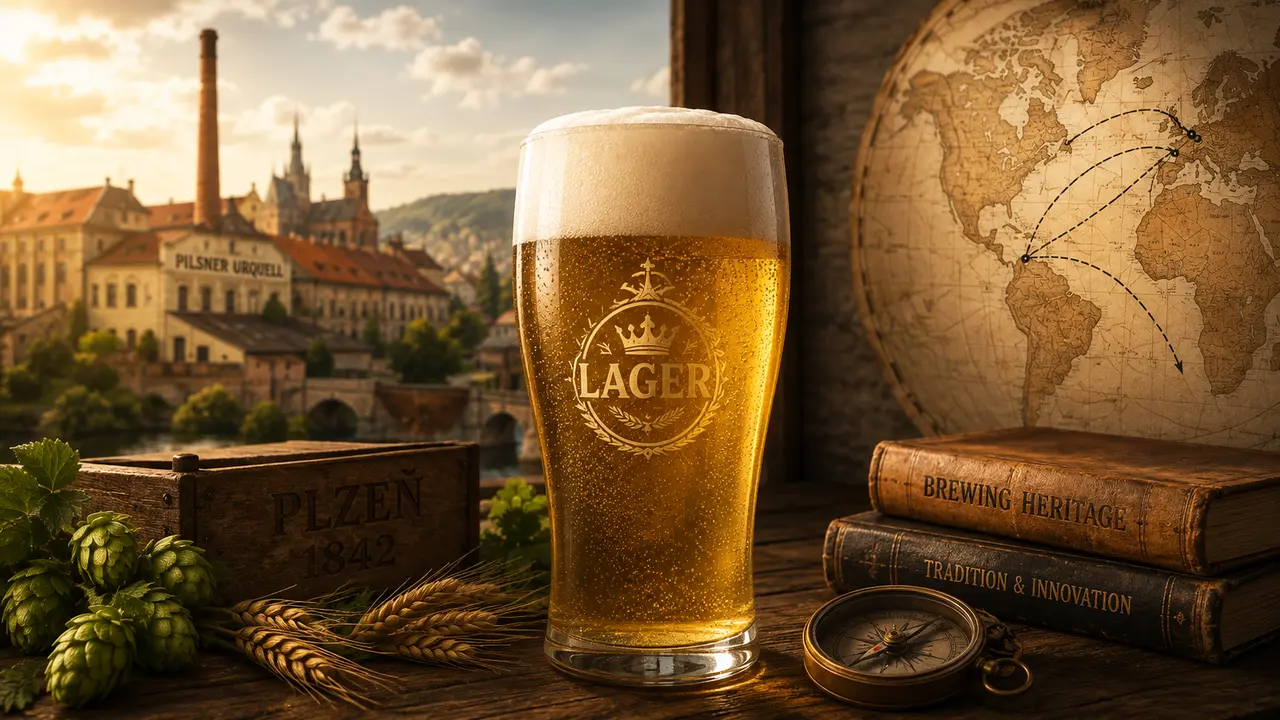
From cold Bavarian cellars to Pilsner, refrigeration and modern brewing science — discover how lager evolved from a regional tradition into the beer that conquered the world.
-
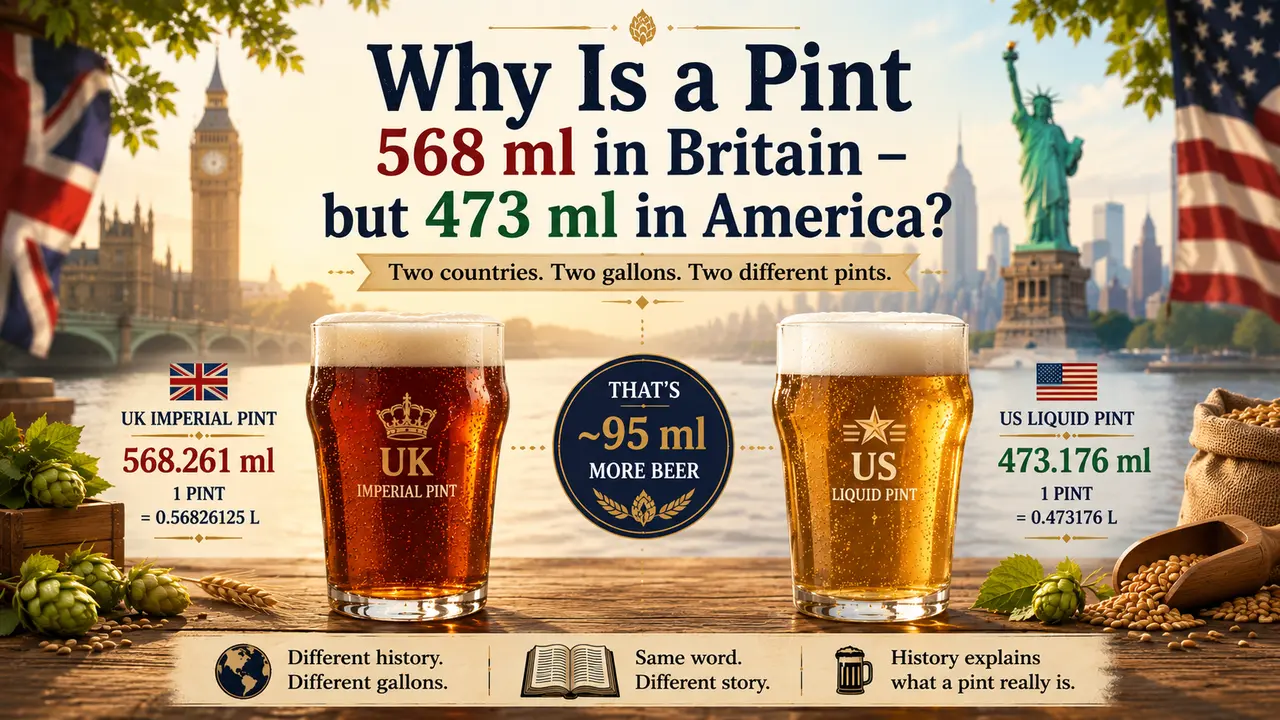
Why Is a Pint 568 ml in Britain — but 473 ml in America?
-
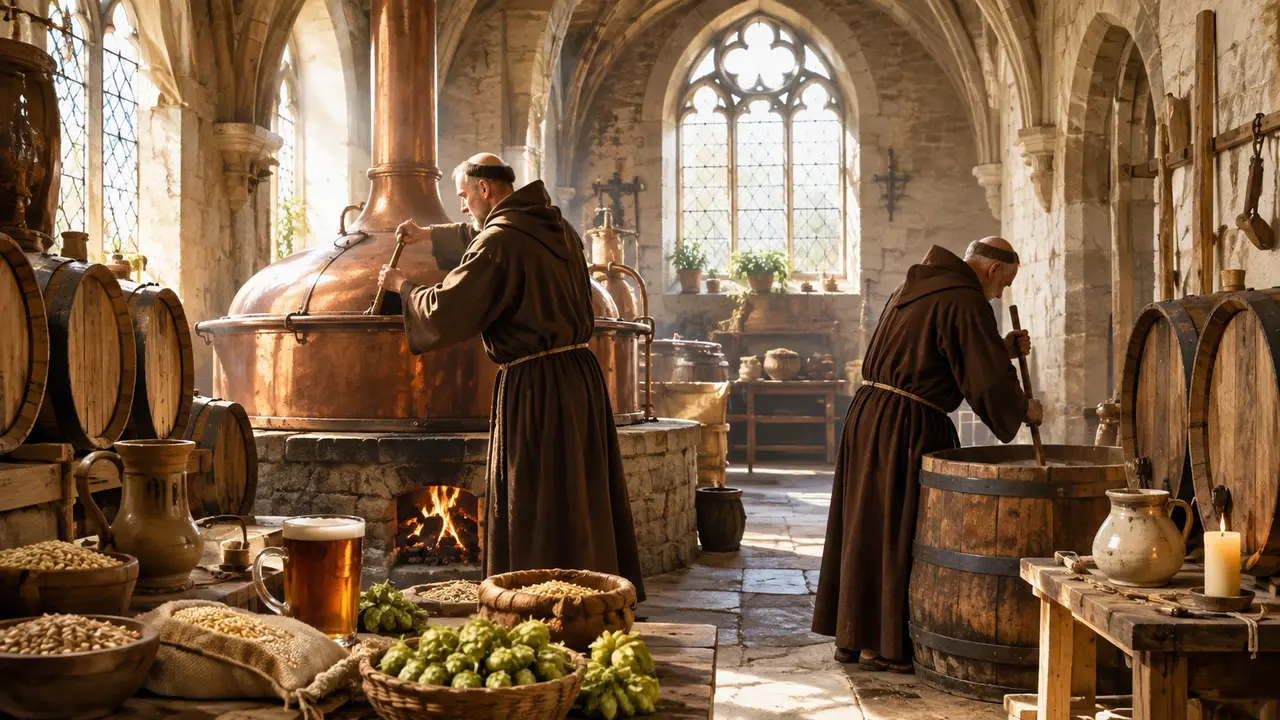
Why did monks brew beer? The answer lies in the monasteries of medieval Europe, where brewing became part of a much larger story of hospitality, self-sufficiency and everyday life. Picture a medieval monastery. Thick stone walls. Candlelit corridors. Bells marking the hours of the day. Monks copying manuscripts by hand, tending gardens and living according…