Author: Malt & Myth
-
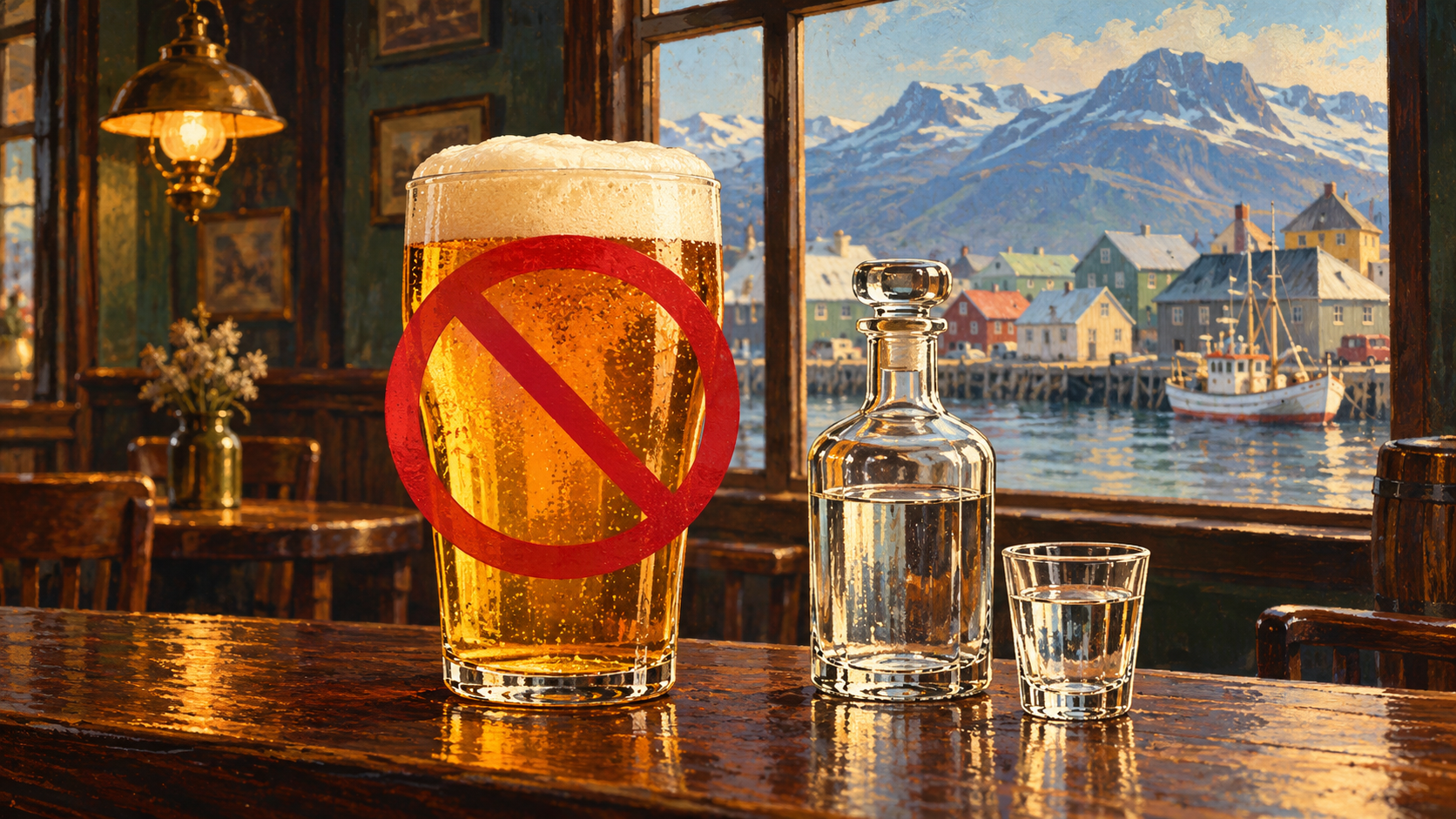
For decades, Iceland allowed spirits but kept full-strength beer off the shelves. Discover the trade dispute, political arguments and long road to legal beer on 1 March 1989.
-
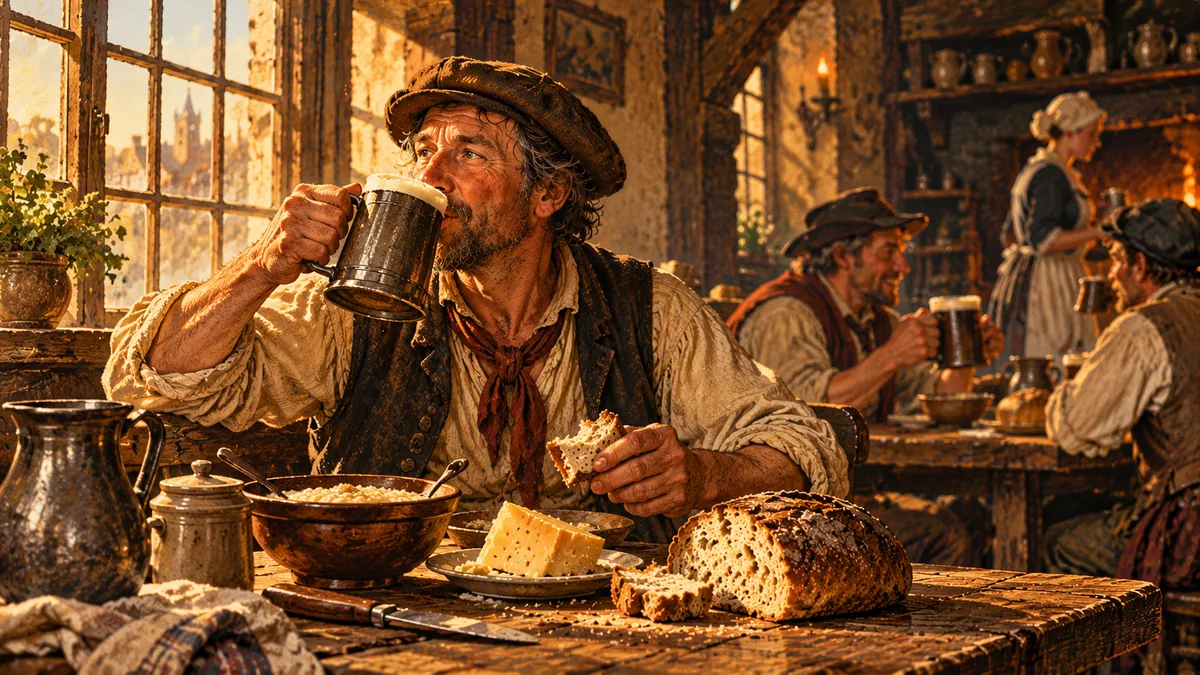
Beer for breakfast sounds bizarre today, but for centuries it could be part of everyday life. Discover what small beer really was, the truth about the unsafe-water myth — and how tea helped change breakfast forever.
-
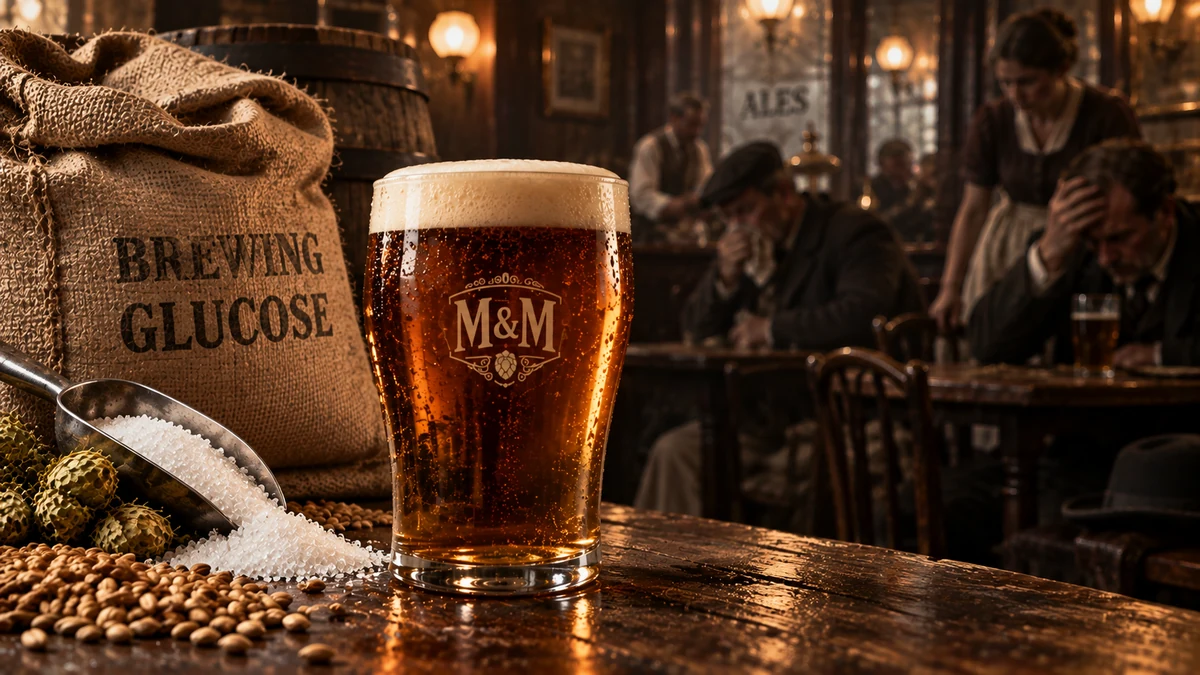
In 1900, thousands of beer drinkers in England became mysteriously ill. The culprit was hiding in their beer: arsenic. But adulterated beer had a much longer history.
-
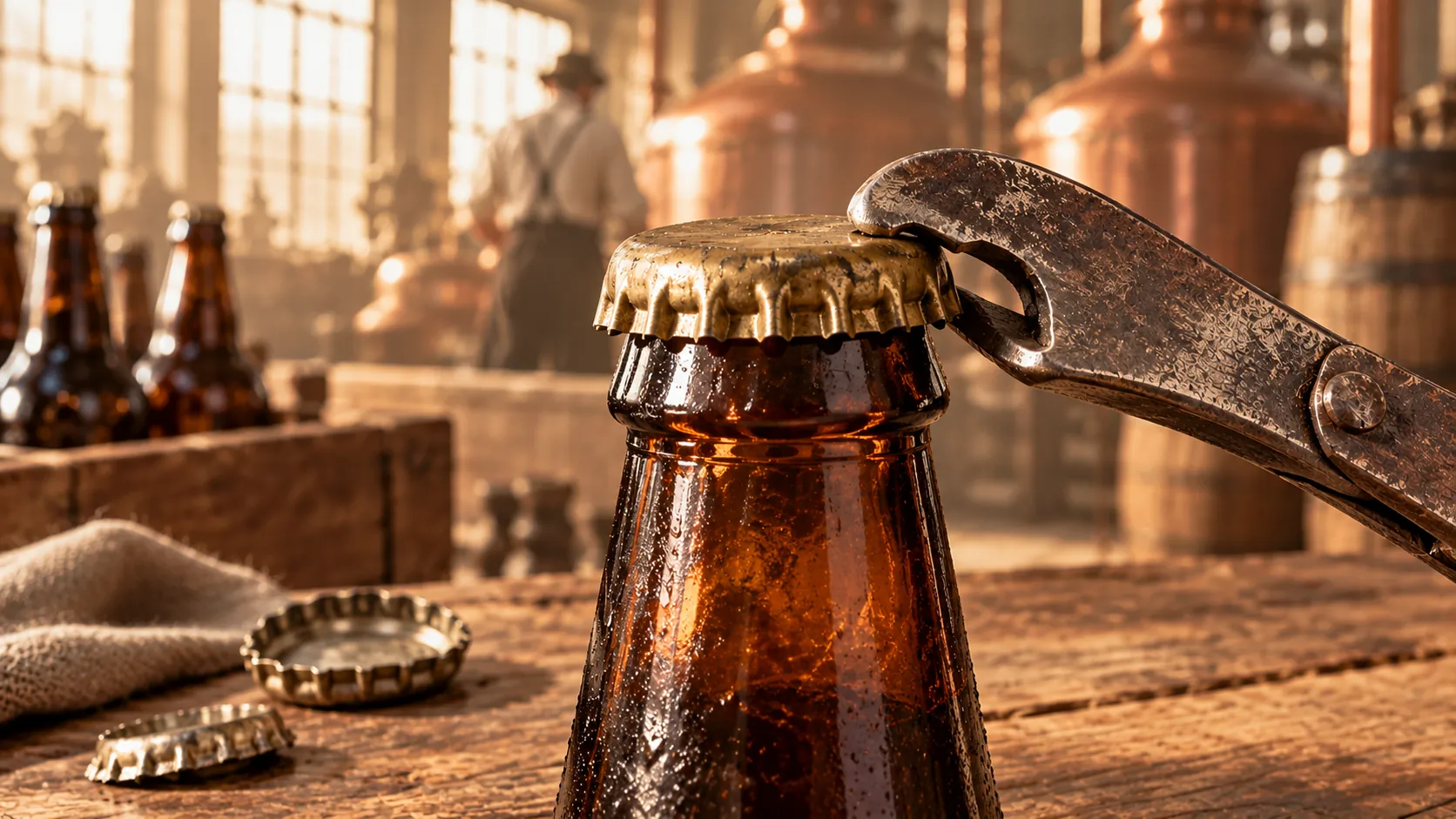
Why do beer bottles have crown caps? Discover how William Painter’s 1892 invention transformed bottled beer — and created the need for the bottle opener.
-
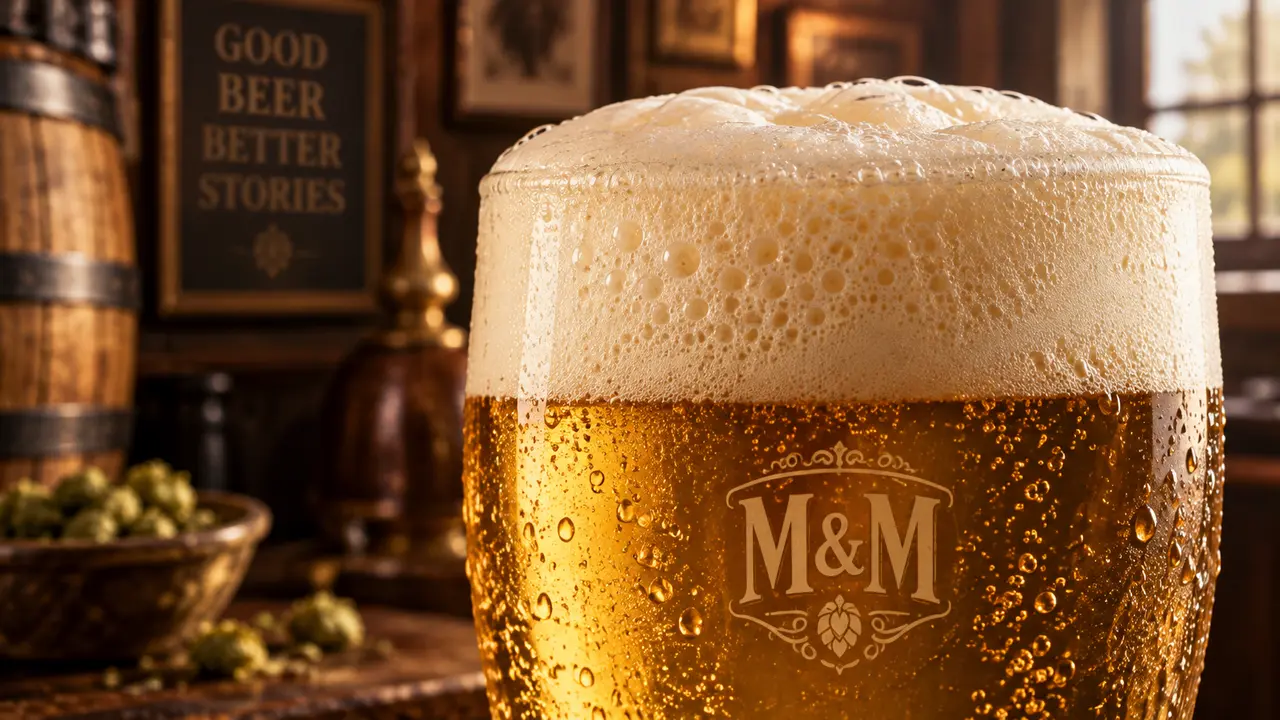
Pour a beer into a glass and something happens before you even take the first sip. A pale lager may build a crisp white cap. A wheat beer can rise beneath a thick, creamy crown. A stout may settle under a dense head that seems almost impossibly smooth. And sometimes the foam disappears almost as…
-
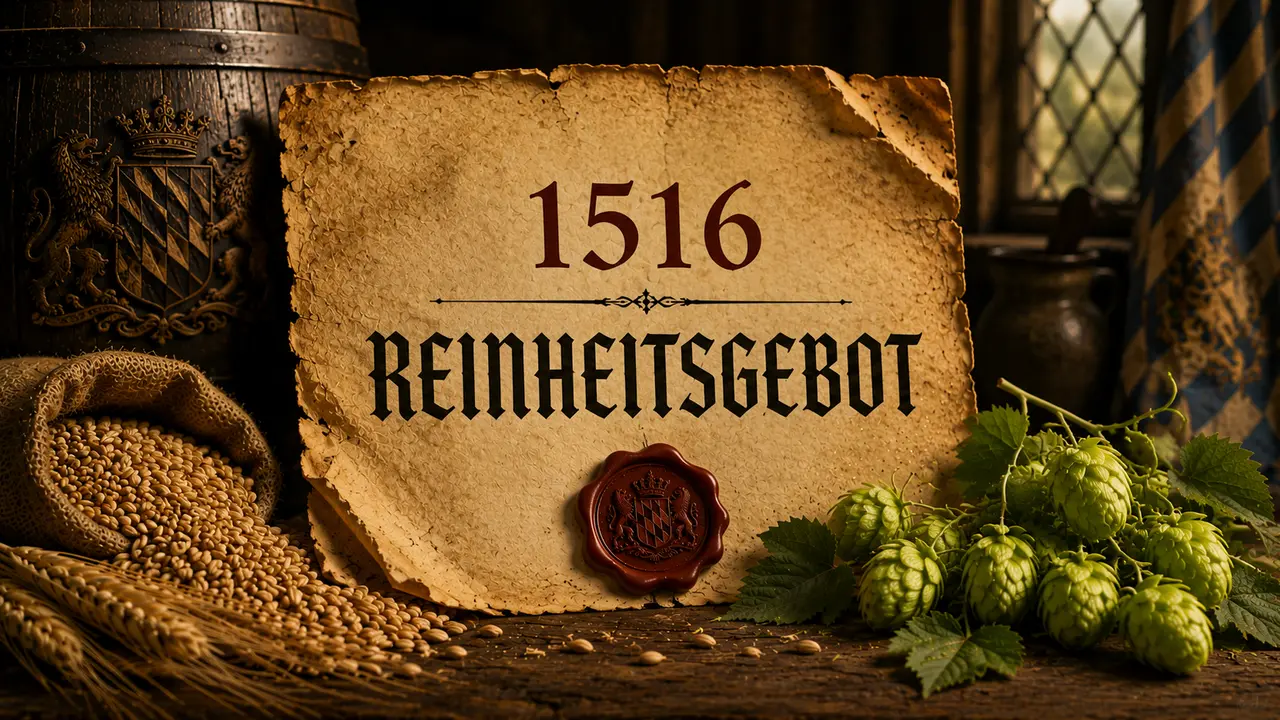
In 1516, Bavaria introduced one of history’s most famous beer laws. But the Reinheitsgebot wasn’t quite what the modern myth suggests.
-
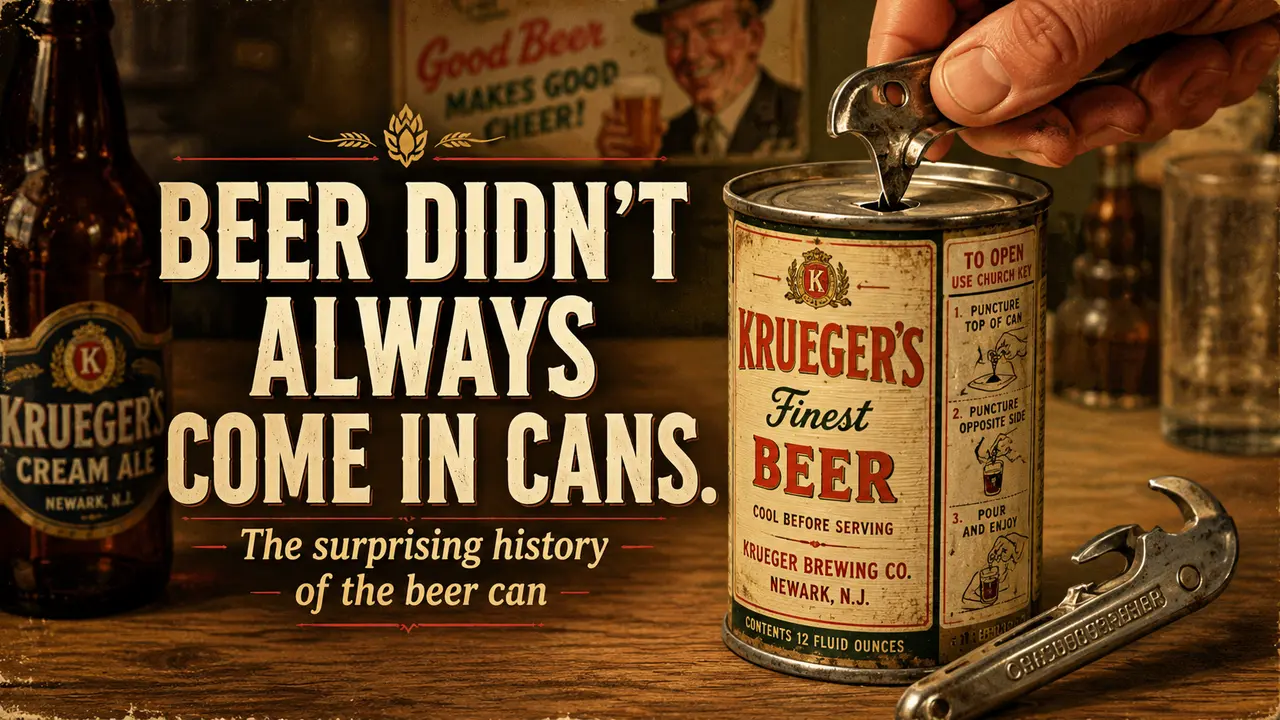
Beer cans changed brewing forever. Discover how a risky 1930s experiment led from heavy steel cans and church keys to pull-tabs and today’s lightweight aluminum beer can.
-
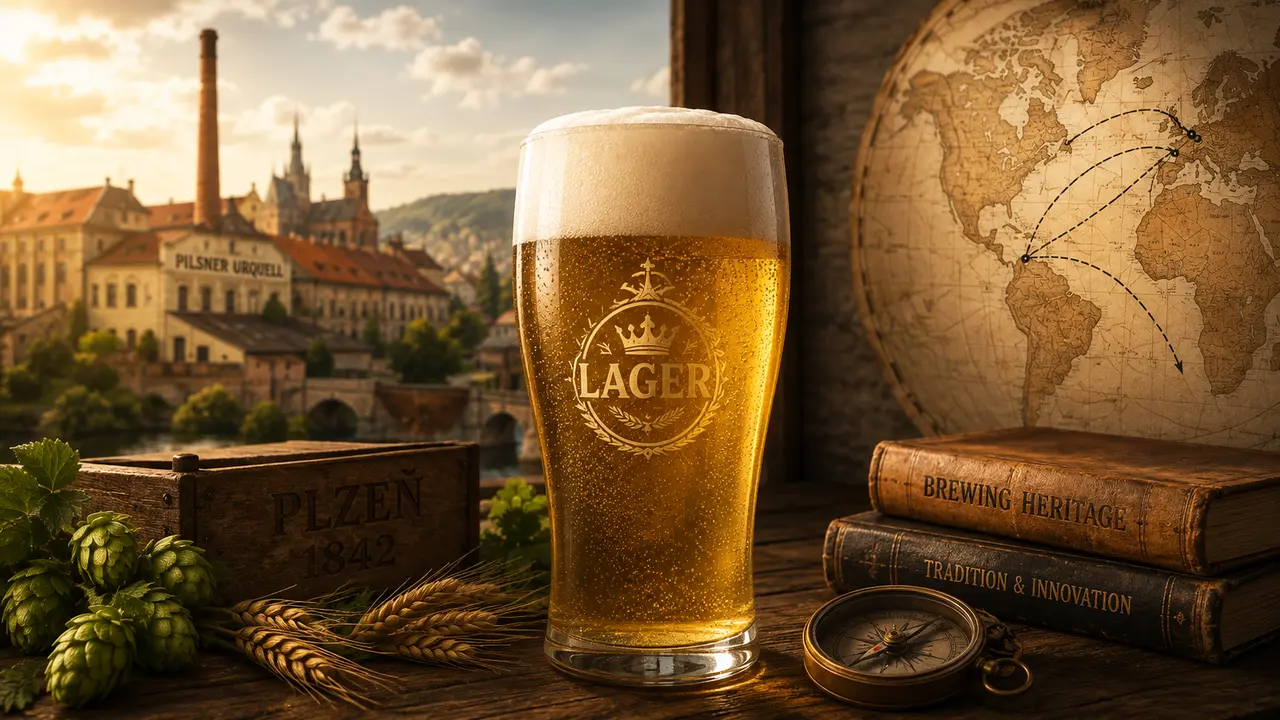
From cold Bavarian cellars to Pilsner, refrigeration and modern brewing science — discover how lager evolved from a regional tradition into the beer that conquered the world.
-
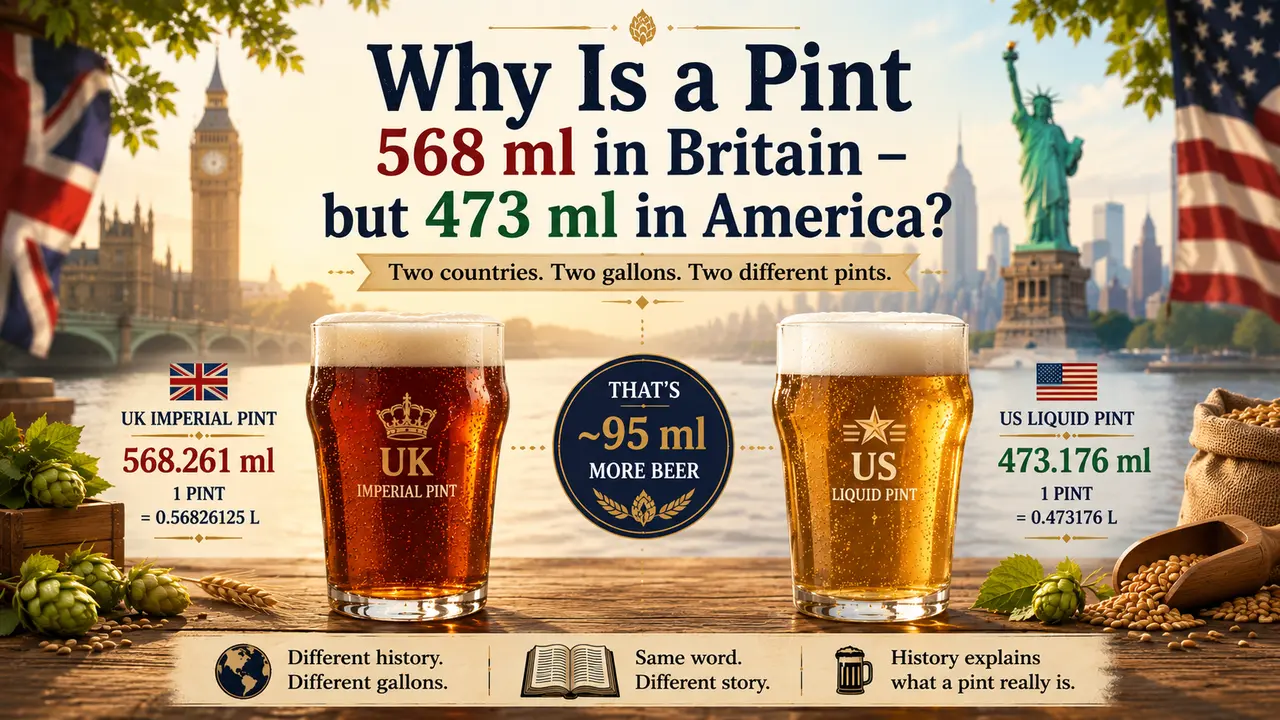
Why Is a Pint 568 ml in Britain — but 473 ml in America?